Best Growth Beard Oil for Fine Hair: Deciding Spec

Fine beard hair flattens under heavy oil. Seven picks compared on bottle size, carrier weight, and what the label actually claims, with SFC Natural King leading the set.

By Glen TaylorUpdated 18 min read
On this page
- Best growth beard oil for fine hair at a glance
- How I screened the shortlist
- Why fine beard hair is the harder case
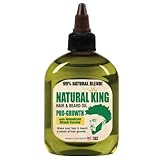
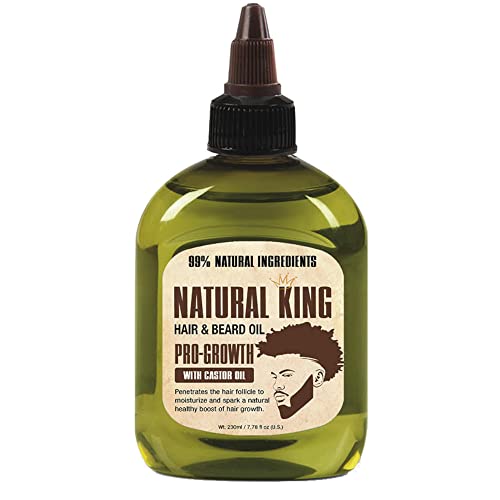
- 1. SFC Natural King Pro-Growth Hair & Beard Oil — Best overall
- 2. The Beard Club Beard Growth Oil — Best upgrade
- 3. beaueli 5% Minoxidil Serum — Best premium
- 4. Jurgen K Beard Growth Kit — Most versatile
- 5. RAFFIN Beard Growth Kit — Best for heavy use
- 6. SFC Castor Hair & Beard Oil — Best for families
- 7. MALE GOD Beard Kit — Best minimal setup
- Why fine beard hair is the harder case, in detail
- Does a growth oil actually grow a beard?
- What to check on the label before you buy
- How much oil should a small beard use?
- SFC vs The Beard Club: which suits fine hair better?
- The verdict
- FAQ
The best growth beard oil for fine hair is SFC's Natural King Pro-Growth Hair & Beard Oil, a 7.1 oz castor-oil blend the brand calls 99% natural and free of petroleum, mineral oil, and preservatives. If you want a specifically beard-focused formula with avocado and cedar in a smaller 1 fl oz bottle, The Beard Club's Beard Growth Oil is the better upgrade pick.
Most guides to the best growth beard oil for fine hair compare biotin percentages and count how many "natural" ingredients each label brags about. That is not what decides it. What decides a growth oil for fine facial hair is how heavy the carrier oil sits on thin strands, how much product the bottle actually gives you, and whether the formula is a conditioning oil or a topical drug. Get those three right and the choice narrows fast.
Best growth beard oil for fine hair at a glance
| Pick | Bottle size | Formula type | Price |
|---|---|---|---|
Best overall SFC Natural King Pro-Growth |
7.1 fl oz | 99% natural castor blend (claim) | Check Price |
Best upgrade The Beard Club Beard Growth Oil |
1 fl oz | Castor, cedar, avocado blend | Check Price |
Best premium beaueli 5% Minoxidil Serum |
1 fl oz | 5% minoxidil + biotin (drug) | Check Price |
Most versatile Jurgen K Beard Growth Kit |
2 fl oz + kit | 4x biotin claim, shea, argan, jojoba | Check Price |
Best for heavy use RAFFIN Beard Growth Kit |
2 fl oz + kit | 3x biotin claim, shea, argan, jojoba | Check Price |
Best for families SFC Castor Hair & Beard Oil |
7.78 fl oz | 99% natural castor blend (claim) | Check Price |
Best minimal setup MALE GOD Beard Kit |
1 fl oz + kit | 4x biotin claim (kit) | Check Price |


How I screened the shortlist
I started with listings marketed for beard growth in the personal care and grooming aisle. That gave a wide field, so I cut it down using the data on each listing rather than the marketing.
- Bottle size had to be printed. A "growth" oil that hides its fluid ounces is a bad start. All seven picks state a size, ranging from 1 fl oz to 7.78 fl oz.
- Ingredient story had to be specific. Vague "natural blend" wording without named oils got cut. Every pick here names at least one carrier: castor, argan, jojoba, shea, cedar, avocado.
- The formula type had to be clear. A conditioning oil and a 5% minoxidil serum are not the same product, and I would not want a fine-hair buyer to confuse them. Six of the seven are cosmetic oils; the beaueli pick is a topical drug.
Two things I did not screen on: review counts and star ratings, because the input carries none and I will not invent them. Popularity ranking inside the set is available, and I use it in comparative language only.
Why fine beard hair is the harder case
Fine facial hair does not behave like coarse wire. The strands are thinner, they bend more easily under weight, and a heavy oil can leave them lying flat against the skin instead of standing up. That is a look problem before it is a growth problem: a fine beard treated with too much oil looks sparser, not fuller, because the individual hairs stop catching the light.
The keyword the shopper types is "best growth beard oil for fine hair", but Amazon's catalogue does not actually flag any listing as fine-hair-specific. None of the seven bottles claims to be formulated for fine hair. That is worth saying plainly, because it changes what you are shopping for. You are picking a growth oil whose carrier is light enough that a fine beard tolerates it, not a product engineered for fine strands.
Two proxies help. Bottle size tells you whether the maker expects daily heavy use or careful sparing use. Named carriers tell you whether the oil leans thicker (pure castor) or lighter (argan, jojoba, avocado). Both are on the label.
1. SFC Natural King Pro-Growth Hair & Beard Oil — Best overall
The 7.1 oz bottle and stated castor-first formula give a fine-hair user a full year of sparing use with the lightest hand.
Best for: someone with a thin, fine beard who wants a light castor oil in a bottle that lasts Skip it if: you need a clinical hair-loss treatment or an unscented formula
Two things put SFC's Natural King at the top of a best growth beard oil for fine hair shortlist. First, it is the largest bottle in the set at 7.1 fl oz, which matters more than it sounds: a fine beard needs two or three drops at a time, and a small 1 fl oz bottle will still last a while, but a 7.1 oz bottle removes the pressure to use less. Second, SFC lists what the oil does not contain: no petroleum, no mineral oil, no alcohol, no preservatives. That is a useful negative claim for anyone whose fine facial skin reacts to occlusive ingredients. The brand describes the blend as 99% natural Jamaican Black Castor Oil, and the label positions it as both a hair and beard oil. That dual use is what pulls it above the same brand's slightly larger 7.78 oz sibling for a solo shopper: the Pro-Growth naming is beard-forward. Its trade-off against the rest of the set is scent and simplicity: no fit-kit accessories, no roller, and pure castor leans thicker than argan or jojoba, so you have to dose light.
Pros:
- Largest bottle in the set at 7.1 fl oz
- Free of petroleum, mineral oil, alcohol, preservatives (claim)
- Doubles as scalp and beard oil
- Second-cheapest position in this set of seven
- Two sellers stock it on the listing
Cons:
- Pure castor is heavier than argan or jojoba on fine hair
- No included applicator, roller, or comb
- No published warranty or return terms
2. The Beard Club Beard Growth Oil — Best upgrade
A beard-specific blend with cedar and avocado in the mix, sold in a 1 fl oz bottle that sells faster than any other pick here.
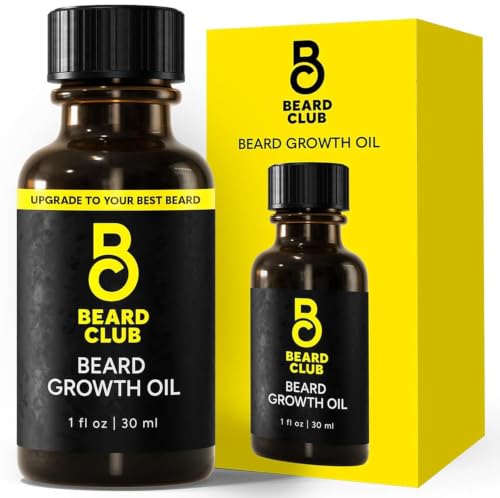
Best for: a shopper who wants a specifically beard-focused blend with avocado and cedar Skip it if: you use oil daily and hate finishing a bottle inside two months
The Beard Club's Growth Oil is the one buyers choose most often here, sitting well ahead of the rest of the set on sales rank. That signal is not proof of quality, but it is a fact worth naming. What matters more for a fine-hair buyer is the ingredient list: The Beard Club names castor, cedar, and avocado, which is a lighter carrier profile than a pure castor blend and closer to what a fine beard tolerates day to day. The brand's copy claims the formula helps strengthen roots, fill in patches, and reduce beard itch. Those are manufacturer claims, not measured outcomes, and you should read them that way. The listing gives a 1 fl oz bottle, weighed at 3.21 oz including packaging. That is a small bottle for the position it holds in this set, which is why it sits as the upgrade rather than the overall pick. If you dose daily, plan on rebuying every couple of months. Its trade-off against SFC is bottle size for a more beard-tuned oil.
Pros:
- Beard-specific formula, not a dual scalp product
- Named carriers: castor, cedar, avocado
- Sells faster than the rest of this set
- Two sellers stock it on the listing
Cons:
- Smallest bottle position in this comparison at 1 fl oz
- The most expensive pick here
- No dropper or applicator accessories included
3. beaueli 5% Minoxidil Serum — Best premium
A 5% minoxidil topical drug, not a conditioning oil, for a fine-bearded shopper treating patchiness rather than dressing hair.

Best for: someone treating diagnosed patchiness who wants a 5% minoxidil serum, not a conditioning oil Skip it if: you want a natural, food-grade oil with no active drug ingredient
I include beaueli's serum in a best growth beard oil for fine hair guide because search intent for "growth" oil overlaps heavily with intent for minoxidil, and a shopper deserves to see the difference laid out. This is a different kind of product. It is a 5% minoxidil formula with biotin, sold in a 1 fl oz bottle weighing 28.3 g. The brand says visible results appear in 8 to 12 weeks. Minoxidil is a topical drug, and it comes with published side effects for a reason: read the packaging, patch test, and stop if you react. For fine facial hair, the appeal is real: a genuinely thin beard may respond to a follicle-active ingredient in a way that a conditioning oil cannot match. The trade-off is exactly that: this is not a grooming oil, it will not condition the hair you already have, and the daily routine is stricter. Choose beaueli when the goal is regrowth, not styling.
Pros:
- Only pick with an active drug ingredient (5% minoxidil)
- Combines minoxidil with biotin in one bottle (claim)
- Sits second on sales rank in this set
- Small 1 fl oz size travels easily
Cons:
- Topical drug, not a cosmetic oil, so treat it that way
- Will not condition fine beard hair the way a carrier oil will
- Timeline of 8 to 12 weeks is the brand's claim, not a measured result
- Premium price position in this set
4. Jurgen K Beard Growth Kit — Most versatile
A 2 fl oz oil with a roller and comb, aimed at someone starting the routine from scratch in 2024.

Best for: a first-time beard grower who wants oil, roller, comb, and balm together Skip it if: you already own a comb and just need a refill bottle
Jurgen K's kit sits mid-range in this set for price and pairs a 2 fl oz oil with the tools a first-time grower is otherwise buying separately. The brand claims a "4x biotin" concentration and names shea butter, argan oil, and jojoba oil as the deep-nourishment ingredients. Argan and jojoba are the two carriers I would want on the label for a fine-hair user: both are lighter than pure castor and both absorb without leaving the flattening residue that pulls thin strands down against the skin. The listing shows a 2024 release date, which is the newest formulation in this comparison. Only one seller currently lists the kit, so if it goes out of stock you have no fallback on the same page. The trade-off against SFC is size against tooling: you get less oil, but you get a comb and a massager. If you already own those, the maths flips and you want a bare bottle instead.
Pros:
- Kit includes oil, roller, and comb in one purchase
- Named lighter carriers: argan and jojoba
- Newest release in this set, dated 2024
- Mid-range price position, not premium
Cons:
- Only one seller lists it
- "4x biotin" is a manufacturer claim, not a measured spec
- 2 fl oz bottle is smaller than either SFC option
5. RAFFIN Beard Growth Kit — Best for heavy use
A 2 fl oz biotin-forward kit for a patchy beard growing in, with shea butter and argan named on the label.

Best for: someone who wants a biotin-forward kit for a spotty, growing-in beard Skip it if: you want a large single bottle rather than a small oil with accessories
RAFFIN's kit reads as a close cousin of the Jurgen K pick and lands at a lower price position. The bottle is the same 2 fl oz size, and the brand calls out shea butter, argan oil, and jojoba oil as the natural ingredients, with a "3x biotin" concentration claim rather than 4x. For a fine-hair buyer, that difference in biotin claim matters less than the shared argan and jojoba presence, which are the lighter carriers you want. RAFFIN positions the kit as a gift and includes accessories aimed at a patchy or spot beard that is still filling in. Only one seller stocks it on the listing, so availability is thinner than the SFC picks. The oil is described as non-greasy and pitched for winter, when facial skin is drier and a fine beard is more likely to flake. The trade-off against Jurgen K is a slightly lower biotin claim for a lower price band; against SFC, it is far less oil for a similar amount of money.
Pros:
- Same lighter carriers as Jurgen K (argan, jojoba, shea)
- Third-cheapest position in this set of seven
- Kit format suits a first-time grower
- Positioned specifically for winter dryness
Cons:
- Only one seller lists it
- Biotin claim is 3x, lower than Jurgen K's 4x claim
- 2 fl oz is far less oil than either SFC option
6. SFC Castor Hair & Beard Oil — Best for families
The largest bottle in the set at 7.78 fl oz, positioned as a shared scalp and beard oil for a household.
Best for: a household sharing one bottle for scalp and beard together Skip it if: you want a beard-only formula in a smaller travel size
SFC's second listing is the same 99% natural castor blend as the Pro-Growth pick, in a 7.78 fl oz bottle. That is the largest size in this comparison and it edges just past the Pro-Growth on volume. The listing places it explicitly in the beard conditioners and oils path but describes it as a dual scalp and beard product, which is why it wins the family label rather than the overall spot: if you have two people in one home using the same bottle for different jobs, this is the one to buy. The brand states the same clean list: no petroleum, no mineral oil, no alcohol, no preservatives. Its trade-off is exactly what makes it fit a household: pure castor is heavier on the hair, and a fine-hair user has to dose lighter than the label suggests. Two sellers stock it, which is better than the single-seller kits but no better than the Pro-Growth bottle above.
Pros:
- Largest bottle in the set at 7.78 fl oz
- Same clean negative claims as the Pro-Growth pick
- Marketed for both scalp and beard use
- Entry price band
Cons:
- Slightly higher sales rank than the Pro-Growth version, meaning fewer buyers here
- Pure castor is heavier than argan or jojoba on fine strands
- No included applicator
7. MALE GOD Beard Kit — Best minimal setup
A 1 fl oz oil packaged with a balm and comb, aimed at gift buyers who want everything in one box.

Best for: a gift buyer who wants oil, balm, and comb in one box Skip it if: you only want the oil and nothing else
MALE GOD's kit is the smallest oil bottle in the set at 1 fl oz, and it comes with a balm and comb in the box. The brand claims a "4x thickening biotin" concentration and describes the oil as handmade with natural ingredients aimed at filling in patches. For a fine-hair user, the appeal is presentation, not volume: the kit is built as a gift, and the balm gives you a way to hold a fine beard's shape without piling on more oil. A balm is a useful add for fine hair because a small amount sets the direction of the beard while the oil handles conditioning. Only one seller lists the kit, so availability is thinner than the SFC bottles. The trade-off against the other kits is that MALE GOD stays smaller and leans on presentation rather than a larger oil volume, which is why it lands as the minimal-setup pick rather than the versatile one.
Pros:
- Kit includes balm and comb, useful for shaping fine beards
- Presentation is gift-ready
- Handmade natural ingredient claim (attributed)
- Premium price band but under the beaueli serum
Cons:
- Smallest oil volume of any pick at 1 fl oz
- Only one seller lists it
- Biotin claim is not backed by a measured spec
- Kits with a balm suit gifters more than daily users
Why fine beard hair is the harder case, in detail
Beard oil marketing is written for the loudest use case, which is filling in a patchy, coarse beard. Fine-hair users read the same copy and buy the same bottles and often end up with a product that overwhelms their beard. Here is what to watch:
- Carrier weight. Castor oil is famously thick. It has a place, especially for scalp use, but on fine facial hair you dose lighter than the label suggests. Two drops, warmed in the palm, then pressed on. Argan and jojoba absorb faster and are gentler on thin strands.
- Beard density. A fine beard with full coverage needs styling help more than growth help, so a balm in the kit earns its keep. A fine beard with patches is a growth question, and that is where a real active ingredient like minoxidil enters the conversation.
- Skin under the beard. Thin facial hair sits closer to the skin, so the oil hits the follicle sooner. Anything with alcohol or heavy preservatives is more likely to irritate. Both SFC picks name the absence of those ingredients on the label, which is why they hold two of the seven slots here.
Does a growth oil actually grow a beard?
Growth oil claims are the most oversold part of a growth oil claim. Six of the seven picks here are cosmetic oils, and cosmetic oils condition, soften, and protect facial hair and the skin under it. They do not contain a drug ingredient that regrows hair. What they can do, by keeping skin healthy and reducing breakage, is help the hair you have look thicker and last longer. That is a real benefit, and it is worth paying for, but it is not the same as growing new hair. Only the beaueli serum contains 5% minoxidil, the one ingredient in this set with a genuine follicle-active pedigree.
What to check on the label before you buy
Read three things on any beard oil listing before you add to cart.
- The fluid ounce size. Small bottles ship faster but empty faster. A 1 fl oz bottle used daily disappears in weeks; a 7.1 fl oz bottle used sparingly on a fine beard can last a year.
- The named carrier oils. "Natural blend" tells you nothing. Castor, argan, jojoba, avocado, cedar, shea butter: these are specific and comparable. For fine hair, argan and jojoba earn their space.
- The negative claims. "No petroleum, no mineral oil, no alcohol, no preservatives" is a claim in the SFC listings that matters more for skin under a fine beard than any biotin percentage claim does.
How much oil should a small beard use?
A fine beard needs less product than the average marketing image suggests. Two to three drops, warmed between the palms, then pressed into the beard and combed through, is usually enough for a beard shorter than four inches. Applying more does not add more benefit and it will weigh fine strands down. That maths is why bottle size matters so much in this set: at two drops a day, a 7.1 fl oz bottle from SFC will outlast a 1 fl oz bottle from The Beard Club by roughly seven times. If a small bottle costs more than one seventh of the large one, the large one wins the value question outright.
SFC vs The Beard Club: which suits fine hair better?
The two ends of the value curve in this comparison. SFC gives you 7.1 fl oz of castor-forward oil at the entry price band. The Beard Club gives you 1 fl oz of a beard-specific blend with cedar and avocado at the most expensive position in the set. On carrier weight, The Beard Club wins for fine hair: cedar and avocado read as lighter than a pure castor blend. On volume, SFC wins by a factor of seven. On sales popularity within the category, The Beard Club sells faster. On negative claims about petroleum and alcohol, SFC is more explicit. The tie-breaker for a first-time fine-hair buyer is this: SFC is the safer bet because the bottle size lets you dose too heavily and correct without running out. The Beard Club is the better bet once you know your dose and want a beard-specific formula.
The verdict
For a fine-hair beard, the best growth beard oil is SFC's Natural King Pro-Growth Hair & Beard Oil. The 7.1 fl oz bottle sets it above every other pick in the set on volume, the negative claims about petroleum, mineral oil, alcohol, and preservatives suit facial skin that sits close to thin strands, and the entry price band means you can dose sparingly and still get the value.
The winner flips in two cases. If you want a beard-specific formula with lighter carriers like cedar and avocado, The Beard Club's Beard Growth Oil is the upgrade to make, and the fact that it sells faster than any other pick in this set is a signal worth respecting even without review data. If you are shopping for regrowth in a patchy beard rather than conditioning what you have, beaueli's 5% minoxidil serum is the only pick here with a follicle-active drug ingredient, and that is a category the cosmetic oils cannot enter. Buy SFC first if you want daily grooming that fine hair tolerates. Buy the other two when the goal changes.
FAQ
Is a growth beard oil worth it for fine hair?
Is a growth beard oil worth it for fine hair? Yes, as a conditioning step rather than a growth treatment. A well-chosen oil keeps fine strands flexible and reduces the breakage that makes a thin beard look thinner. The trick is dosing lightly and choosing a lighter carrier like argan or jojoba, rather than piling on a pure castor formula that will flatten fine hair against the skin.
What ingredients should a fine-hair beard oil contain?
A fine-hair beard oil should contain lighter carrier oils that absorb quickly, so argan, jojoba, and avocado sit above pure castor on the priority list. Look for a label that names its ingredients rather than hiding behind "natural blend". Negative claims matter too: no petroleum, no mineral oil, and no alcohol are useful reassurances when the skin under a fine beard is closer to the surface.
How is SFC Natural King different from The Beard Club oil?
SFC Natural King is different from The Beard Club oil in three specific ways. SFC ships a 7.1 fl oz bottle at the entry price band with a 99% natural castor claim and a clean negative-ingredient list. The Beard Club ships a 1 fl oz bottle at a premium position with a beard-specific blend of castor, cedar, and avocado. SFC gives you more oil; The Beard Club gives you lighter carriers.
Does the beaueli minoxidil oil work like a cosmetic beard oil?
The beaueli minoxidil oil does not work like a cosmetic beard oil. It is a topical drug containing 5% minoxidil with biotin, positioned as a hair-regrowth serum with a stated timeline of 8 to 12 weeks. Cosmetic oils condition existing hair and soothe skin; a minoxidil serum targets follicles. Read the packaging, patch test first, and treat it as a treatment rather than a grooming step.
How long should a bottle of beard oil last on a fine beard?
A bottle of beard oil lasts far longer on a fine beard than on a coarse one, because two or three drops a day is enough for a beard shorter than four inches. A 1 fl oz bottle used daily typically empties in a couple of months. A 7.1 fl oz SFC bottle, used at the same rate, can last close to a year. Bottle size drives value more than any label claim.
Fine facial hair rewards a lighter hand and a longer view. Pick SFC's 7.1 fl oz Pro-Growth bottle as your daily oil and give it a full month before deciding whether the carrier feels too heavy. If it does, step down to The Beard Club's smaller beard-specific blend rather than reaching for another biotin claim. Keep the minoxidil serum on the shelf for a separate decision, one made about patchiness rather than styling. What you are really buying with a growth oil for fine hair is time: time for the beard you already have to keep every strand, and time for the new hairs to come in without breaking on the way.