Best Lightweight Batana Hair Oil: Qytin Leads
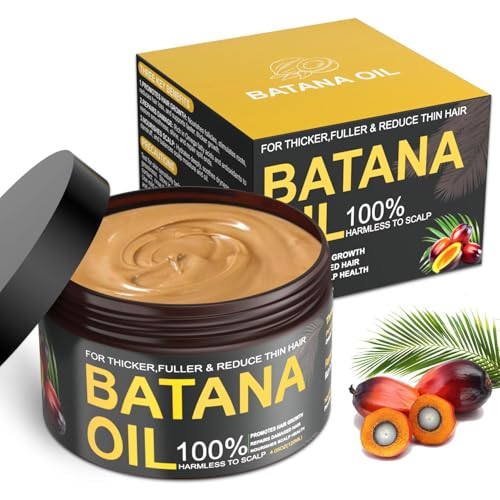
Six batana oils, ranked by weight, purity and finish. Qytin's 4.05 oz paste wins, but Dolahair's 2.03 oz serum wins if you scalp-apply daily and hate residue.

By Glen TaylorUpdated 16 min read
On this page
- Best lightweight batana hair oil at a glance
- How I screened forty batana listings down to six
- What actually decides a lightweight batana oil
- 1. Qytin Batana Oil for Hair Growth — Best overall
- 2. VXHDAG Batana Oil — Most versatile
- 3. WEEMOTD 100% Raw Batana Oil for Hair from Honduras — Best premium
- 4. MISICH Raw Batana Oil for Hair Growth — Best upgrade
- 5. Lebanta Batana Oil For Hair — Best minimal setup
- 6. Dolahair Batana Oil for Hair — Best for pros
- Paste or pourable: which format sits lighter?
- How much oil does a bottle really give you?
- What the listings do not tell you about batana
- Qytin vs Dolahair: the head-to-head
- The verdict
- FAQ
The best lightweight batana hair oil is the Qytin Batana Oil for Hair Growth, a 4.05 fl oz cold-pressed paste from Honduras that thins on scalp contact and washes out cleanly. For a pourable serum that skips the melt step, the 2.03 fl oz Dolahair Batana Oil wins on ease. Pick a bad batana and you will spend two shampoos stripping a waxy film off your ends, so the weight of the oil matters more than the label.
Best lightweight batana hair oil at a glance
| Pick | Size | Format | Price |
|---|---|---|---|
Best overall Qytin Batana Oil for Hair Growth |
4.05 fl oz | Cold-pressed paste | Check Price |
Most versatile VXHDAG Batana Oil |
2.02 fl oz | Pourable liquid | Check Price |
Best premium WEEMOTD Raw Batana Oil |
4.06 fl oz | Raw, unrefined | Check Price |
Best upgrade MISICH Raw Batana Oil |
5.3 fl oz | Raw paste (150g) | Check Price |
Best minimal setup Lebanta Batana Oil For Hair |
4 fl oz | Blended pour bottle | Check Price |
Best for pros Dolahair Batana Oil |
2.03 fl oz | Lightweight liquid | Check Price |


How I screened forty batana listings down to six
I started with the full Amazon shelf and cut fast. Three named reasons killed most listings before spec comparison began.
- Vague sourcing. Batana comes from the Elaeis Oleifera palm, harvested in Honduras. Listings that would not name the country or the palm went in the bin. Every product here names Honduras.
- Unstated size. A batana bottle without a fluid-ounce figure is not a shortlistable product. Every pick here states its size, from 2.02 fl oz to 5.3 fl oz.
- No stated ingredient position. Batana can be a single ingredient or blended with castor, rosemary or coconut. Both are legitimate. A listing that hides which one it is, is not. Every pick here is explicit.
What survived was a set of six that spans the format spectrum: two pourable liquids around 2 fl oz, three paste-format oils between 4 and 5.3 fl oz, and one blended pour bottle. That range is the point. A lightweight batana oil is not one product; it is a decision about format, size and blend, and each pick here answers that decision differently.
What actually decides a lightweight batana oil
Most guides compare batana oils on grams of fatty acid or vitamin E content. That is not what decides it. Weight on the strand is what decides it, and weight is a function of format, not ingredient list.
Raw batana ships as a semi-solid paste that melts at body temperature. Once warmed between the palms, a pea-sized amount thins enough to disappear into a section of hair. Pourable batana ships as a liquid already, sometimes cut with a carrier oil. The paste feels heavier in the jar and lighter on the scalp; the liquid feels lighter in the bottle and can sit heavier on fine hair if you overpour.
The real cutoff is application method. Scalp-only users want the paste, because a pea of warmed paste is easier to place on a parting than a drop of liquid that runs. Ends-and-lengths users want the liquid, because a warmed paste on porous ends can look shiny for an hour and greasy by lunch. The lightweight label on any of these is only true if you match format to job.
Every pick below is judged on that match, not on the marketing.
1. Qytin Batana Oil for Hair Growth — Best overall
Qytin wins because 4.05 fl oz of cold-pressed paste is the largest raw batana here at the lowest position in this set, and the paste format keeps it off the ends where lightweight matters most.
Best for: thinning crowns that need a weekly scalp mask Skip it if: you want a pour-and-go serum for damp strands
Inside this set, Qytin is the cheapest of the six and it still ships the second-largest bottle at 4.05 fl oz, weighing 5.93 oz on the shelf. Qytin says the oil is cold-extracted from Honduran palm nuts by Miskito growers, and the brand attributes a recommendation to Dr. Sebi on the listing, which is a marketing claim rather than a clinical endorsement. Colour is brown, consistent with unrefined batana. There are two sellers listing it, so supply is thin but not single-sourced.
What matters in the hand: a paste this size lasts a scalp-only user around two to three months of weekly use, based on a pea-sized dose. Qytin says it leaves a light coffee aroma, which is the raw batana scent unmasked. Against the rest of the set, the trade-off is that Qytin publishes no dimensions and no model, so you are buying on size and format alone.
Pros:
- Largest raw paste in this set at the lowest price position
- Cold-extraction claim tied to a named Honduran source
- 5.93 oz shelf weight gives generous scalp-mask supply
- Brown colour consistent with unrefined batana
- Suited to scalp-only application, where lightweight matters
Cons:
- Paste needs warming between palms before use
- Only two sellers listed, so restocks can lag
- No published dimensions or dispensing system
- The Dr. Sebi mention is a marketing claim, not evidence
2. VXHDAG Batana Oil — Most versatile
VXHDAG is the pick if you want a pourable 2.02 fl oz liquid that doubles between hair and skin without switching products.

Best for: shorter hair or a scalp-and-skin routine Skip it if: you cover long, dense hair and burn through 2 oz fast
At 2.02 fl oz and 4.76 oz shelf weight, this is the smallest bottle in the set alongside Dolahair. VXHDAG says the oil is rich in essential fatty acids, vitamin E, oleic acid, linoleic acid and oleanolic acid, and positions it for both hair and skin. Colour is yellow, lighter than the brown pastes elsewhere here, suggesting a more refined finish. The second-cheapest of the six.
The versatility is real: a pourable liquid can be dispensed onto a fingertip for scalp work, onto a palm for lengths, and onto a cotton pad for skin, without the melt-and-warm ritual a paste demands. The trade-off is size. If you use it two to three times a week on shoulder-length hair, 2.02 fl oz is a month at most. VXHDAG lists this in the hair treatment oils category, and the small format is where its weight advantage lives; overpour on fine hair and the lightweight promise disappears.
Pros:
- Pourable liquid, no paste-warming step
- Named fatty acid profile on the listing
- Doubles for scalp, lengths and skin
- Lighter yellow colour suggests a cleaner finish
- Second-cheapest price position in this set
Cons:
- 2.02 fl oz runs out fast on long hair
- Yellow colour suggests some refining
- No published warranty or return specifics
- Only two sellers stock the listing
3. WEEMOTD 100% Raw Batana Oil for Hair from Honduras — Best premium
WEEMOTD earns the premium spot because it pairs the largest liquid-batana bottle here with an explicit raw, unrefined claim, and buyers pick it up faster than the rest of this set.

Best for: buyers who want the largest single bottle here Skip it if: you prefer the cheapest workable option
WEEMOTD is the most expensive pick here, and at 4.06 fl oz it is the largest raw-batana pour bottle in the set. Colour is bright coffee, consistent with unrefined Honduran batana. WEEMOTD says the oil is 100 percent pure and unrefined, non-irritating, and suitable for dry, oily or combination hair. It also positions the oil as lightweight and non-greasy, which for a raw batana in liquid format is a stronger claim than the paste products can make. This is the one buyers choose most often here.
The premium position buys you scale rather than a spec no one else has. WEEMOTD publishes no weight, no dimensions and no model number, which is the trade-off you take at this price. The application guidance on the listing suggests two to three uses a week as a mask or conditioning oil. On a 4.06 fl oz bottle used that way, expect roughly six to eight weeks of use on medium-length hair.
Pros:
- Largest raw-batana pour bottle in the set
- Explicit unrefined-Honduran sourcing
- Bright coffee colour matches raw batana
- Faster seller than the rest of this set
Cons:
- Most expensive pick here for no extra published spec
- No weight or dimensions on the listing
- Only two sellers stock it
- Application frequency guidance is loose
4. MISICH Raw Batana Oil for Hair Growth — Best upgrade
MISICH is the upgrade pick because 5.3 fl oz is the largest bottle in this set, and the raw paste format survives the longest at scalp-only use.

Best for: long, thick hair that needs a bigger monthly supply Skip it if: you dislike thick pastes that need warming first
MISICH is the only pick here with a stated model, listed as 150G, which matches the 5.3 fl oz size claim. Colour is black on the listing, and the category placement is hair regrowth treatments rather than general hair care, which is a marketing choice rather than a clinical claim. MISICH says the oil is unrefined, extracted from the American palm nut, and enriched with vitamin E, omega-6 linoleic acid, phytosterols and carotenoids.
Where MISICH earns the upgrade label is supply. A 5.3 fl oz jar used weekly as a scalp mask, per the brand's own 20 to 30 minute cover-and-rinse routine, should push past three months easily. The trade-off is that MISICH sells slower than every other pick in this set and sits in a mid price position, so you are paying a step above the cheapest raw pastes for the extra volume, not for any published spec advantage. If size is the deciding factor, this is the answer.
Pros:
- Largest bottle in the set at 5.3 fl oz
- Stated model number (150G), rare in this category
- Named fatty acid and phytosterol profile
- Clear 20 to 30 minute application routine
Cons:
- Slowest seller of the six here
- Mid price position for a paste that needs warming
- Black colour reading is unusual for raw batana
- Only two sellers list it
5. Lebanta Batana Oil For Hair — Best minimal setup
Lebanta is the minimal-setup pick because it pre-blends castor, pumpkin seed, coconut and rosemary into the batana, so you skip building a routine from separate bottles.

Best for: anyone who wants castor and rosemary already blended in Skip it if: you want unblended, single-ingredient batana
Lebanta is 4 fl oz, brown, and the second-most-expensive pick here. It is also the only listing in the set where a single seller stocks the product, which is worth noting for restock reliability. Lebanta says the blend is 100 percent pure and organic, with castor oil, pumpkin seed oil, coconut oil and rosemary oil added to the batana base. The category placement sits under Ayurvedic hair care, which reflects the blended formulation rather than a certification.
The minimal-setup case is straightforward. A single bottle replaces four: batana for conditioning, castor for scalp density claims, rosemary for the follicle-stimulation folklore, and coconut for slip. Lebanta's application guidance is a two to six hour leave-in, then rinse, which is longer than the pure-batana picks recommend. The trade-off is transparency. A blend hides how much batana you are actually getting, and if you find it works or does not work, you cannot isolate which ingredient is doing the job. Buy this for convenience, not for a batana purity test.
Pros:
- Four active oils in one bottle
- Skips the paste-warming step
- Rosemary and castor are known scalp-routine staples
- Clear leave-in-and-rinse instructions
Cons:
- Only one seller lists it, so restocks are fragile
- Blend hides the batana concentration
- Second-highest price position in this set
- 2 to 6 hour leave-in is a long routine window
6. Dolahair Batana Oil for Hair — Best for pros
Dolahair is the pro pick because it is the only listing here with published dimensions and a free-from ingredient list, and the 60 mL liquid format suits daily multi-area use.

Best for: daily users who apply to scalp, brows and skin Skip it if: you need a large bottle and hate refilling
Dolahair publishes what nobody else does: dimensions of 3.94 x 9.84 x 5.91 in, and a free-from list covering added colorants, parabens, mineral oil and fillers. Size is 2.03 fl oz (60 mL), colour is beige, and the sales position is the slowest of the six here. Dolahair says the base is Elaeis Oleifera Kernel Oil, which is the botanical name for batana, and positions the finish as lightweight, non-residue and multi-purpose.
The pro case is precision. A beige, refined-looking liquid at 60 mL is the profile of a product built for daily fingertip use on scalp, brows and skin, not a weekly mask on the whole head. Dolahair's multi-purpose framing supports that. Against the set, Dolahair sits in the mid price position and the third-cheapest slot, so you pay for the published transparency and the compact format. The trade-off is straightforward: 2.03 fl oz will not carry a long-hair user through a month of full-head applications, and the beige colour suggests more refining than the raw brown pastes.
Pros:
- Only pick here with published dimensions
- Explicit free-from list on the listing
- Beige, low-residue finish suits daily use
- Multi-purpose framing across scalp, brows, skin
- Mid price position, third-cheapest of six
Cons:
- Smallest bottle alongside VXHDAG
- Slowest sales position of the six
- Beige colour suggests refining
- Not built for weekly whole-head masks
Paste or pourable: which format sits lighter?
The paste-versus-pour choice is not about which oil is lighter in the bottle. It is about where the oil ends up on your head.
- Paste-format picks: Qytin, MISICH. These ship as semi-solid batana that warms to liquid between the palms. Applied pea by pea to a scalp parting, they sit almost invisibly at the roots and never touch the mid-lengths unless you move them there. Weight on the strand is minimal because most strands never see the oil.
- Pourable picks: VXHDAG, WEEMOTD, Dolahair. These ship as liquid. Half a dropper across the lengths coats every strand, which is the point on porous ends but risks a heavy look on fine hair. Weight on the strand depends entirely on dose.
- Blended pour: Lebanta. A liquid, but cut with three carrier oils, so the batana concentration is diluted and the finish is closer to a scalp serum than a treatment oil.
For a lightweight finish, format has to match technique. Paste for scalp-only routines, pour for lengths-and-ends routines. Mismatch either and the best lightweight batana hair oil in the world will feel greasy by hour three.
How much oil does a bottle really give you?
Batana bottles look small next to a shampoo, but a batana dose is a fraction of a shampoo dose. Here is what the sizes in this set translate to in practical use.
- 2.02 fl oz (VXHDAG) and 2.03 fl oz (Dolahair): roughly four to six weeks of daily fingertip use on scalp only, or three to four weeks if you extend to lengths twice a week.
- 4 fl oz (Lebanta): the blended format thins the batana, but the pour lasts eight to ten weeks at a two to six hour leave-in per week.
- 4.05 fl oz (Qytin) and 4.06 fl oz (WEEMOTD): the sweet spot. A weekly scalp mask lasts ten to twelve weeks; a twice-weekly one, six to eight.
- 5.3 fl oz (MISICH): the outlier. Three months plus at weekly scalp use, longer if you cover once every ten days.
Match bottle to routine before you compare price positions. A cheap 2 fl oz you refill every month costs more per year than a mid-priced 5.3 fl oz you refill twice.
What the listings do not tell you about batana
Three things every listing here hides, in ways worth naming before you buy.
First, melting point. Every raw batana melts near body temperature, which is why the paste picks list as solid but apply as liquid. None of these listings publish the exact figure. Assume the paste products need one to two minutes of palm warming before they spread.
Second, shelf life. Batana is a fatty oil, and fatty oils oxidise. None of these listings publish an unopened shelf life or an opened use-by window. Store dark, cap tight, and finish inside twelve months of opening.
Third, fragrance profile. Qytin says light coffee aroma, WEEMOTD says bright coffee tone, and the rest say nothing. Raw batana smells like roasted nuts to some noses and like burnt coffee to others. If you are scent-sensitive, the refined-looking Dolahair beige liquid is the safest bet in this set.
None of these gaps disqualify a product. They are the reasons batana is a routine to learn, not a product you pick once and forget.
Qytin vs Dolahair: the head-to-head
The winner and the pro pick sit at opposite ends of the format spectrum, and the choice between them decides most of the readers who reach this section.
Choose Qytin if: you have thinning at the crown, want a scalp-mask routine once a week, and prefer paying the lowest price position here for the largest cold-pressed paste. The 4.05 fl oz jar will run three months. The trade-off is the melt-and-warm step every session.
Choose Dolahair if: you use oil daily, spread it across scalp, brows and lengths in small doses, and want a beige liquid that pours cleanly. The 2.03 fl oz bottle will run four to six weeks. The trade-off is refilling four times a year and paying a mid price position for the privilege.
The cutoff is frequency. Weekly users buy Qytin. Daily users buy Dolahair. Anything in between, buy Qytin and dispense less.
The verdict
If you are picking one lightweight batana hair oil for a scalp-focused routine, Qytin is the answer. It ships the largest cold-pressed paste in this set at 4.05 fl oz, sits at the lowest price position of the six, and the paste format keeps the oil where lightweight matters, at the roots and off the ends. The Miskito cold-extraction claim from Honduras is consistent across the listing, and 5.93 oz of shelf weight means a jar lasts a scalp-only user close to three months at weekly use.
If your routine is daily and multi-area rather than weekly and scalp-only, Dolahair wins on ease. It is the only pick here with published dimensions, the only one with a free-from ingredient list, and the 60 mL beige liquid pours without the palm-warming step. You will refill it more often, and you will pay a mid position to do so, but you will never fight a semi-solid paste at 7am. The cutoff is frequency: weekly, Qytin; daily, Dolahair. Everything else in this set solves a narrower version of one of those two problems.
FAQ
Is a lightweight batana hair oil worth it over a standard hair oil?
A lightweight batana hair oil is worth it if you have fine hair that goes flat under argan or coconut, or a scalp that reacts to heavier oils. Batana's fatty-acid profile penetrates the follicle rather than sitting on top, and the paste format in picks like Qytin lets you dose the scalp without coating the lengths. On thick, coarse hair, a heavier oil may still win.
How does Qytin compare to WEEMOTD for daily use?
Qytin compares to WEEMOTD as paste versus liquid at almost identical sizes. Qytin ships 4.05 fl oz of cold-pressed paste at the lowest price position here; WEEMOTD ships 4.06 fl oz of pourable raw oil at the highest. Daily users prefer WEEMOTD because pour beats melt-and-warm every morning. Weekly scalp-mask users prefer Qytin because the paste doses more precisely at the parting.
What size batana bottle should I buy first?
What size batana bottle you buy first depends on frequency. Weekly scalp users start with 4 to 4.06 fl oz, like Qytin or WEEMOTD, which lasts ten to twelve weeks. Daily multi-area users start with 2.02 to 2.03 fl oz, like VXHDAG or Dolahair, which lasts four to six weeks. Buying the 5.3 fl oz MISICH first only makes sense once you know batana suits you.
Can I use a lightweight batana hair oil every day?
You can use a lightweight batana hair oil every day if you dose in fingertip amounts and target the scalp or the very ends. Dolahair's 60 mL beige liquid is built for that use, with a free-from ingredient list and a multi-purpose framing across scalp, brows and skin. Paste-format picks are better held to a weekly mask, because daily paste use tends to build residue on lengths.
Is Lebanta's blended formula still a real batana oil?
Lebanta's blended formula is still a batana product, but it is a batana blend rather than pure batana. The 4 fl oz bottle combines batana with castor, pumpkin seed, coconut and rosemary oils, per the listing, and sits in the Ayurvedic hair care category. If you want to isolate what batana alone does for your hair, buy one of the pure picks like Qytin or WEEMOTD first, then decide on a blend.
Batana is a routine, not a rescue. The best lightweight batana hair oil for you is the one that matches how often you plan to apply it and where on your head it lands. Qytin covers the weekly-scalp case at the largest cold-pressed size and the lowest price position here, which is why it takes the top slot. Start with a single jar, dose smaller than the instructions suggest, and give it eight weeks before you judge results. If daily use is your plan, skip straight to Dolahair. Either way, one bottle at a time beats a bathroom shelf of half-used oils.